Everyday Habits, Not Quick Fixes

The Quiet Ritual Behind Biblical drink oil and Honey blend: What People Expect After A Meal, And What Actually Happens

Long before glucose meters existed, families closed a meal with a warm cup — a tradition now known as Biblical drink oil and Honey blend. This page looks at where that habit comes from, not at what it promises to do for you. As always, keep the healthcare provider who knows your history in the loop before changing anything about your routine.

Everyday Nutrition  ·  Daily Habits  ·  Educational Content  ·  Traditional Kitchen Wisdom

The Gap Between What You Expect And What Actually Happens

Most people assume that once they start paying closer attention to what they eat, the day will simply feel steadier. For many, the lived experience is a little messier than that — a string of small frictions that repeat, meal after meal.

The After-Lunch Dip Nobody Warned You About

A meal that felt reasonable at the table can still be followed, an hour later, by a heaviness or a dip in focus that seems to come out of nowhere.

Mornings That Start Tired Anyway

Even after a full night's sleep, some mornings feel slow to start — a kind of tiredness that breakfast doesn't seem to fix.

Too Much Advice, Not Enough Clarity

Every article seems to contradict the last one. What's fine on one list is forbidden on the next, and the confusion itself becomes tiring.

The Weight Of Deciding Every Single Plate

Three meals a day, every day, each one a small decision — and over time, that constant weighing of options can feel heavier than the food itself.

Myths And Facts Worth Separating

A few ideas about carbohydrates, fruit, and ‘special’ food circulate so often that they start to feel like settled fact. A closer look tells a more nuanced story.

MYTH

All carbohydrates are the enemy.

FACT

Carbohydrates are one part of a plate among several. How a meal is put together — portions, pairing, order — tends to matter as much as any single ingredient on its own.

MYTH

Fruit is basically candy in disguise.

FACT

Whole fruit has long been eaten alongside other foods as part of everyday meals, not set aside as an occasional treat to be avoided altogether.

MYTH

‘Diabetic food’ is its own separate category.

FACT

Most traditional diets never split meals into ‘diabetic’ and ‘regular’ columns. The emphasis has historically been on variety, portion, and the rhythm of eating.

Three Habits Around The Meal Itself

None of this is about a single food or a single fix. It’s about small, repeatable habits around how a meal unfolds.

01

Start With Something Green

Many traditional meal patterns begin with vegetables before moving to heavier parts of the plate — a simple sequencing habit rather than a rule about restriction.

02

Slow The Pace Of The Meal

Putting the fork down between bites, chewing a little longer, letting a meal take twenty minutes instead of five — pace itself is a habit worth noticing.

03

Add A Little Movement Afterward

A short, easy walk after eating is a habit found across many cultures, long before it had a name. This is a routine to discuss with the healthcare provider who already knows your history — it doesn’t replace anything they’ve recommended.

Where Biblical drink oil and Honey blend Actually Comes From

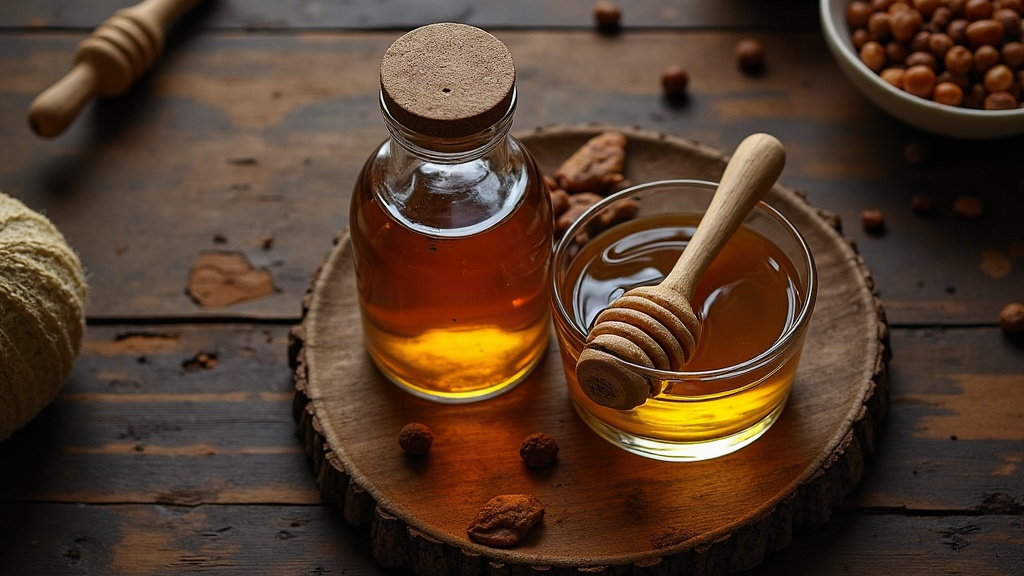
In many Mediterranean and Middle Eastern households, meals traditionally ended with a warm drink rather than a dessert. Herbs, a touch of oil, and honey were combined and poured after the main dish — often alongside dates, bread, or dried fruit, and shared as part of the closing ritual of a shared table. The blend wasn’t treated as medicine in these settings; it was simply what the household served once the plates were cleared, a marker that the meal, and the conversation around it, was winding down.

In many of these households, the after-meal cup wasn’t really about the ingredients themselves — it was about the pause it created before the next task of the day began.

Everyday Moments Worth A Conversation With Your Doctor

Feeling Unusually Shaky Between Meals

If shakiness or lightheadedness shows up regularly between meals, that's a pattern worth describing to the doctor or nurse who follows your care, rather than something to figure out alone.

Noticing Big Swings In Energy Through The Day

Energy that spikes and crashes repeatedly, on a pattern you can't tie to sleep or activity, is worth bringing up at your next appointment.

Thirst That Doesn't Seem To Ease Up

Ongoing thirst that doesn't go away with normal hydration is a detail your healthcare provider should hear about directly.

Meals That Leave You More Tired Than Before

If eating itself seems to consistently leave you more drained rather than restored, mention it to the professional managing your care.

Appetite Changes You Can't Quite Explain

A noticeable shift in appetite, in either direction, over a short period is worth flagging to your doctor rather than adjusting meals on your own to compensate.

Sleep That Feels Disrupted Around Meal Times

If sleep quality seems tied to what or when you eat, that's useful information for the healthcare provider who already knows your full history — bring it to your next visit rather than guessing at the cause.

Notes On Routine, Not On Numbers

I used to eat lunch at my desk without really thinking about the order of things on the plate. Slowing down and adding a short walk afterward made the whole afternoon feel less rushed.

Marta Lindqvist
Illustrative account
The evening tea became a small marker for me — a sign that dinner was done and it was time to wind down instead of grazing on something else an hour later.
Devon Ashworth
Illustrative account
Nothing about my medical care changed. What changed was how I organize my meals during the week, and that alone made planning dinner less of a daily scramble.
Priya Natarajan
Illustrative account

These are personal reflections about meal routines, not descriptions of medical outcomes, lab results, or treatment. Individual experiences vary, and none of this replaces guidance from a healthcare provider — always check with your doctor before changing your diet, routine, or any prescribed treatment.

A Tradition Worth Understanding On Its Own Terms

Biblical drink oil and Honey blend is a piece of kitchen history — not a substitute for anything your doctor has recommended. If you’re curious about the tradition behind it, this is the place to start. Keep your medical follow-up exactly as it is, and bring any questions about your routine to the professional who already knows your history.

Advertising Disclosure: This page contains sponsored content and affiliate links. We may receive compensation if you click through and make a purchase, at no additional cost to you. This helps support the content on this site.

Content Disclaimer: This content is for educational purposes only. It has not been evaluated by the FDA and is not intended to diagnose, treat, cure, or prevent any disease. It is not a substitute for professional medical advice, diagnosis, or treatment. Always consult a qualified healthcare professional before changing your diet, routine, or any prescribed treatment.

Results Disclaimer: Individual results and experiences vary. Testimonials shared on this page reflect personal opinions and routines and are not a guarantee of any outcome.

© 2026 · All Rights Reserved